
Enabling Enterprise Data Intelligence with Microsoft Fabric Lakehouse

A global logistics and supply chain organization needed to modernize its analytics platform to manage rapidly increasing data volumes across transportation, inventory, and distribution systems. Legacy reporting systems struggled to process large datasets and deliver insights fast enough to support real-time operational decisions.
OnPoint Insights partnered with the organization to build a modern data platform using Microsoft Fabric Lakehouse architecture. The new solution unified logistics data sources into a scalable analytics environment, enabling real-time insights into supply chain performance and operational efficiency.
View LiveLogistics & Supply Chain
13 Weeks






- Fabric Data Platform Design
- Lakehouse Implementation
- Data Integration & Pipeline Development
- Supply Chain Analytics Development
- Enterprise Reporting Modernization


The Challenge
As the company expanded globally, its data environment became increasingly complex and difficult to manage.
Fragmented Supply Chain Data
Operational data was spread across transportation systems, warehouse databases, and third-party logistics platforms.
Data Processing Bottlenecks
Legacy infrastructure struggled to process large logistics datasets efficiently.
Limited Operational Insights
Executives lacked visibility into real-time supply chain performance.
Scalability Limitations
Existing systems were not designed to handle rapidly growing logistics data volumes.
Our Solution
OnPoint Insights implemented a modern analytics platform built on Microsoft Fabric Lakehouse to unify supply chain data and improve analytics performance.

Designed a Fabric Lakehouse environment to consolidate logistics and operational data into a single analytics platform.
Developed automated ingestion pipelines to integrate data from transportation systems and warehouse platforms.
Implemented optimized data models for faster querying and analytics workloads.
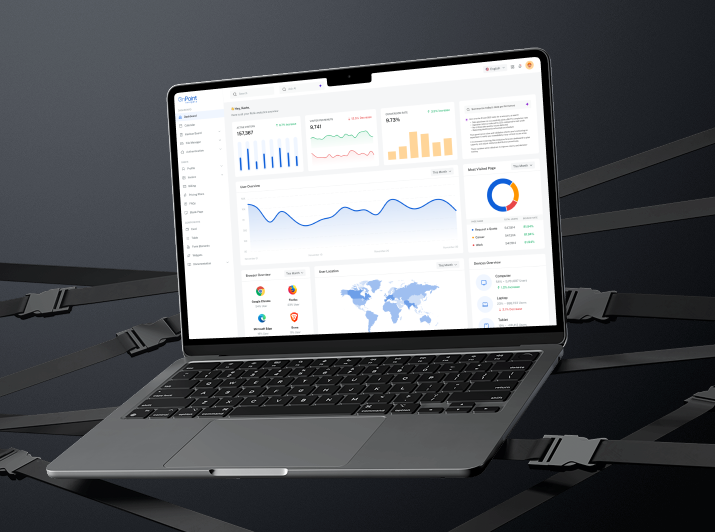
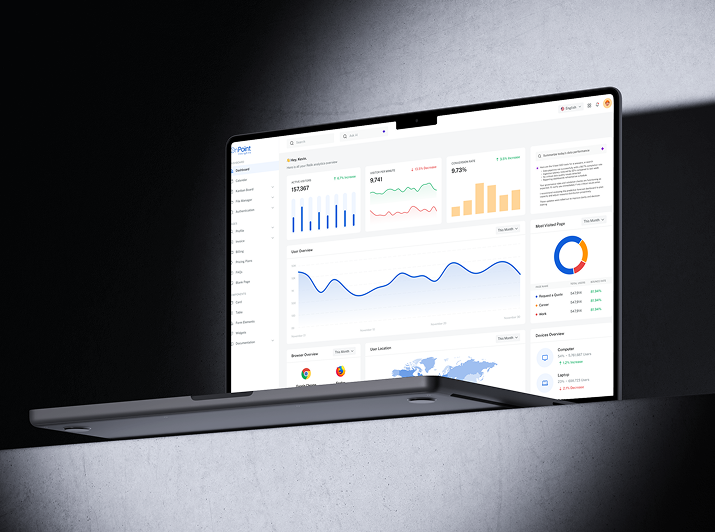
Delivered real-time supply chain dashboards with Power BI to monitor operational performance and KPIs.
Built the platform to support future growth, advanced analytics, and AI-driven optimization.
Results & Impact
The Microsoft Fabric platform transformed how the company analyzes and manages its supply chain operations.

Faster Data Processing
Large logistics datasets are processed significantly faster than in the legacy environment.
Improved Supply Chain Visibility
Executives now have real-time insights into transportation performance and inventory levels.
Enhanced Operational Efficiency
Better visibility enabled faster responses to disruptions and supply chain risks.
Scalable Analytics Infrastructure
The Fabric platform supports future analytics use cases including predictive logistics optimization.
Explore Other Case Studies
Next Case Study
Modernizing Financial Analytics with a Unified Microsoft Fabric Platform

Transforming Manufacturing Operations with Real-Time Fabric Analytics

Modernizing Retail Intelligence with Microsoft Fabric
Collaborate with us
We're here to answer your questions and help you find the right solution.


"*" indicates required fields