
Modernizing Retail Intelligence with Microsoft Fabric

Our client, a fast-growing multi-region retail enterprise, struggled with fragmented analytics across sales, supply chain, and customer data. With data scattered across ERP systems, cloud applications, and legacy reporting platforms, leadership lacked real-time insights into store performance, inventory trends, and customer behavior.
To support aggressive expansion and data-driven decision-making, the organization partnered with OnPoint Insights to modernize its analytics ecosystem using Microsoft Fabric. By consolidating data into a unified Lakehouse architecture and enabling real-time analytics, the company transformed how teams access, analyze, and act on data across the business.
View LiveRetail & Consumer Goods
14 Weeks







- Fabric Architecture Design
- Data Platform Modernization
- Lakehouse Implementation
- Power BI Modernization
- Data Governance Framework
- Real-Time Analytics Enablement


The Challenge
As the organization expanded across multiple regions and channels, its legacy data environment struggled to keep pace with growing data volumes and analytics demands. Teams relied on siloed reporting systems and manual data preparation, which delayed decision-making and limited visibility into business performance.
Disconnected Data Ecosystem
Sales, inventory, and supply chain data existed across multiple systems, making enterprise-wide analysis extremely difficult.
Slow Reporting Cycles
Business teams often waited hours—or even days—for reports to refresh due to outdated ETL pipelines and infrastructure limitations.
Lack of Data Governance
Inconsistent definitions and data ownership created confusion across departments, reducing trust in analytics outputs.
Limited Scalability
Existing analytics platforms were not designed to support real-time analytics or growing retail data volumes.
Our Solution
OnPoint Insights implemented a unified Microsoft Fabric platform to modernize the organization’s analytics infrastructure and enable real-time, enterprise-wide visibility. The new architecture consolidated fragmented data sources into a scalable Lakehouse environment while improving data governance and performance.

Designed and implemented a centralized Lakehouse architecture in Microsoft Fabric using OneLake, enabling all business units to access a single, governed data foundation.
Built scalable data ingestion pipelines using Fabric Data Factory to automate integration from ERP, POS, and supply chain systems.
Implemented a structured Bronze, Silver, and Gold data model to improve data quality, transformation efficiency, and analytical readiness.
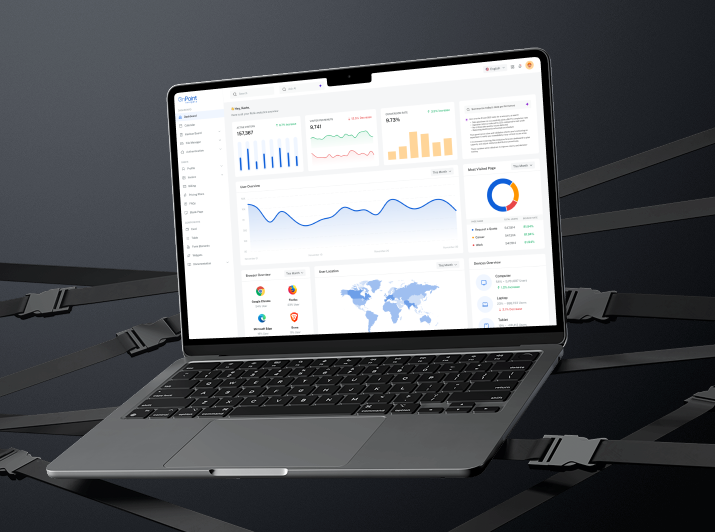
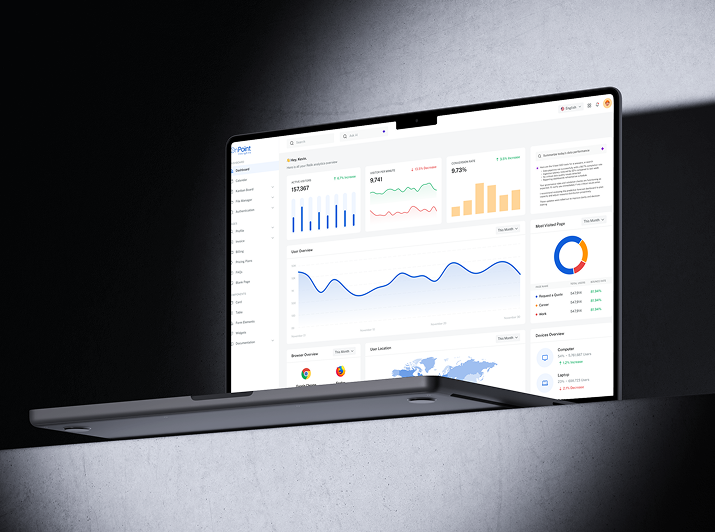
Developed executive and operational dashboards in Power BI powered by Fabric datasets, delivering live visibility into store performance, inventory levels, and revenue trends.
Established governance policies, lineage tracking, and role-based access controls using Microsoft Purview to ensure trusted and secure analytics.
Results & Impact
By leveraging Microsoft Fabric as the foundation of its modern data platform, the organization achieved significant improvements in analytics speed, operational efficiency, and decision-making capabilities.

Near Real-Time Retail Insights
Leadership gained instant visibility into sales performance, inventory levels, and customer trends across all locations.
Faster Decision-Making
Reduced reporting latency by over 70%, allowing teams to respond quickly to demand fluctuations and operational challenges.
Scalable Data Platform
The new Fabric architecture supports future growth, additional data sources, and AI-driven analytics use cases.
Trusted Data Across the Organization
Standardized data definitions and governance policies improved data reliability and strengthened cross-department collaboration.
Explore Other Case Studies
Next Case Study
Enabling Enterprise Data Intelligence with Microsoft Fabric Lakehouse

Modernizing Financial Analytics with a Unified Microsoft Fabric Platform

Transforming Manufacturing Operations with Real-Time Fabric Analytics
Collaborate with us
We're here to answer your questions and help you find the right solution.


"*" indicates required fields