Data Lakehouse Explained: Building a Modern and Scalable Data Architecture

April 6, 2026

Data Visualization

8 min read

Data Lakehouse Explained: Building a Modern and Scalable Data Architecture

Introduction

Data lakes are great for storing raw, large-scale data cheaply, but they have a weakness: no built-in support for transactions, consistency, or governance. As they grow, they risk turning into messy “data swamps.”

Delta Lake, created by Databricks, fixes these problems. It’s an open-source storage layer that adds ACID transactions, schema enforcement, and time travel on top of your existing data lake (S3, ADLS, HDFS). In short, Delta Lake combines the scalability of a lake with the reliability of a warehouse—a foundation for the modern “lakehouse” architecture.


What is a Data Lakehouse?

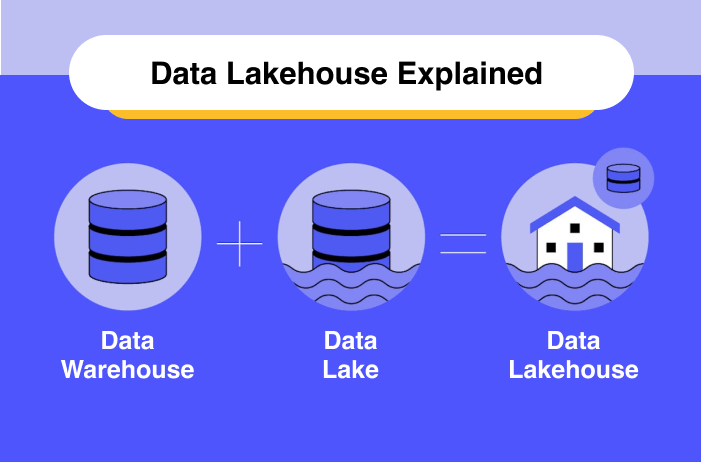
data lakehouse is a modern data architecture that blends the flexibility of a data lake with the reliability and performance of a data warehouse. Traditionally, organizations had to choose between two extremes:

  • Data lakes were designed for scale and cost efficiency, capable of storing structured, semi-structured, and unstructured data in its rawest form. They became the go-to solution for big data storage.
  • Data warehouses, on the other hand, provided governance, structure, and fast query performance but at the expense of flexibility and higher storage costs.

The lakehouse model bridges this gap. It offers:

  • Unified storage – all types of data (structured logs, unstructured images, IoT streams, relational records) can live in the same place.
  • ACID transactions – operations are reliable, ensuring no partial writes or corrupted states.
  • Schema governance – you can enforce consistent data structures while still allowing evolution as business needs change.
  • Multi-modal analytics – the same system supports SQL queries, BI dashboards, machine learning, and real-time streaming.

In other words, a lakehouse enables organizations to run data science, AI/ML, and business intelligence on one unified platform without needing separate systems. This reduces complexity, lowers costs, and accelerates the time-to-insight.

The concept is quickly becoming the standard for modern enterprises that want to unlock the full value of their data without juggling multiple silos.


Difference Between Delta Lakes and Data Lakes?

Although the terms data lake and Delta Lake sound similar, they are fundamentally different in terms of functionality and reliability.

1. Data Storage vs. Storage + Governance
  • data lake is essentially a low-cost storage repository. It holds raw data files in formats like Parquet, ORC, JSON, or CSV. While great for scale, it provides no inherent guarantees about how the data is written, updated, or read.
  • Delta Lake, however, adds a transactional storage layer on top of your existing data lake (e.g., Amazon S3, Azure Data Lake Storage, HDFS). This layer introduces rules, consistency, and tracking so that the data is not only stored but also governed and reliable.
2. ACID Transactions
  • Data lakes: No support for atomic transactions. If a pipeline fails midway, half-written files remain and pollute the dataset
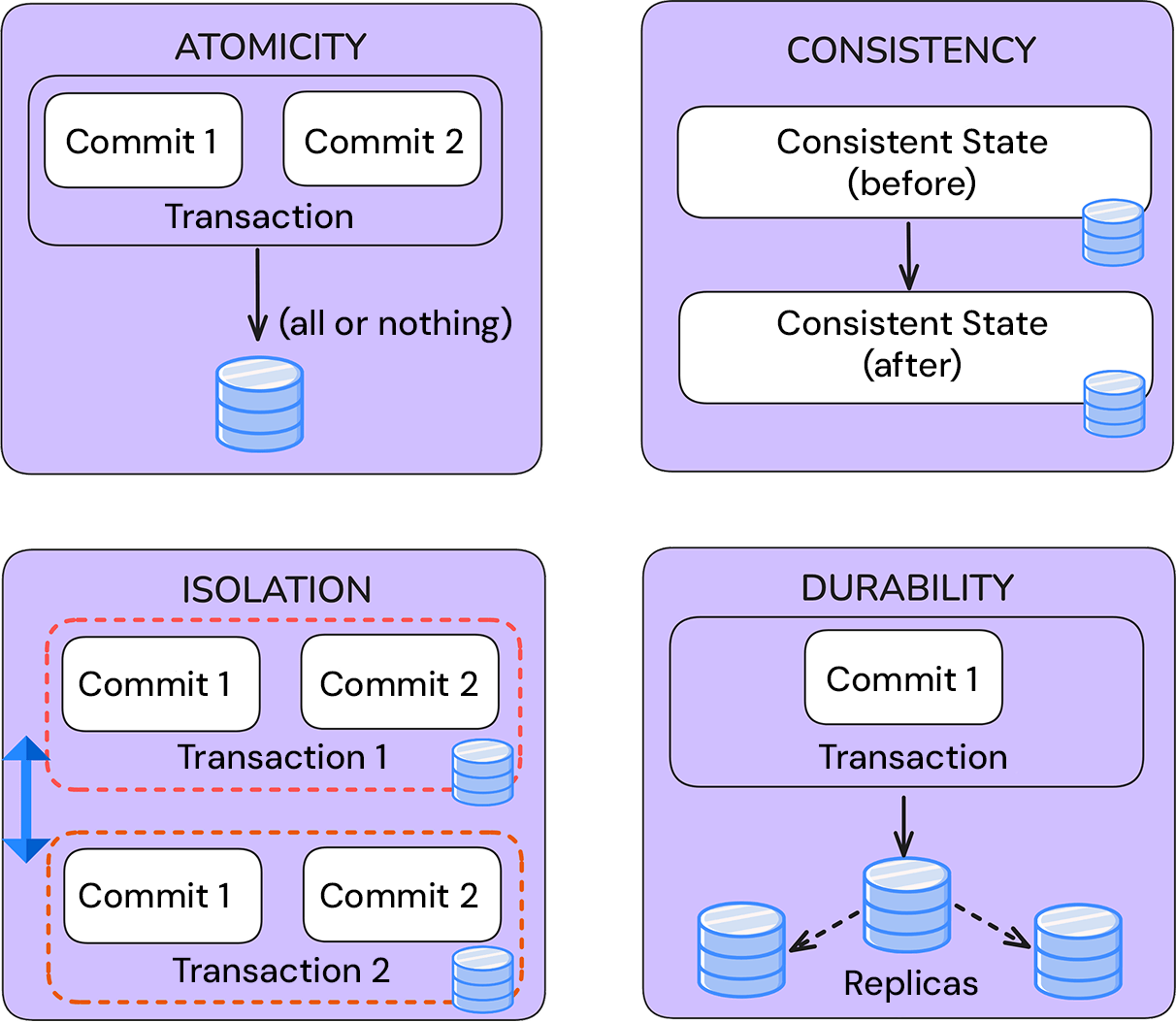
  • Delta Lake: Provides ACID properties (Atomicity, Consistency, Isolation, Durability), ensuring every write operation is safe and consistent.
3. Schema Management
  • Data lakes: Anyone can dump data in any format, leading to “schema drift” and eventually a data swamp.
  • Delta Lake: Enforces schema-on-write, ensuring data integrity. It also supports schema evolution, allowing you to add or modify fields without breaking downstream processes.
4. Performance
  • Data lakes: Querying is slow, especially at scale. Engines must scan thousands of small files and directories.
  • Delta Lake: Provides indexes, caching, and file pruning to improve performance. Features like Z-order clustering and compaction optimize storage layout for faster queries.
5. Data Versioning and Time Travel
  • Data lakes: Once data is written, you can’t easily query older versions. Recovering past states is difficult or impossible.
  • Delta Lake: Every change is recorded in the _delta_log transaction log. This allows time travel—you can query data “as of” a specific version or timestamp. Perfect for audits, reproducibility, or debugging.
6. Batch vs. Streaming
  • Data lakes: Usually optimized for batch ingestion. Streaming often requires separate pipelines or specialized systems.
  • Delta Lake: Handles batch and streaming data in the same table, simplifying architectures and reducing duplication.
7. Ecosystem & Maturity
  • Data lakes: Simply storage; actual functionality depends on the tools layered on top.
  • Delta Lake: Deeply integrated with Apache Spark and supported by Databricks, with a growing open-source ecosystem. Competing projects like Apache Iceberg and Apache Hudi offer similar guarantees, but Delta Lake remains one of the most widely adopted solutions.
In summary

A data lake is like a massive raw warehouse where you can dump anything, but it can get messy. A Delta Lake is that same warehouse equipped with labeling, inventory tracking, curity, and automation—making it reliable enough to run business-critical analytics and AI.


Why Traditional Data Lakes Fall Short

  • No transactions: Failed jobs leave partial or corrupted files.
  • No schema control: Different pipelines may write incompatible structures.
  • Concurrency issues: Parallel writes cause conflicts.
  • Slow queries: File listing on large directories (e.g., S3) is inefficient.

These issues make pipelines fragile and analytics unreliable.


Delta Lake to the Rescue

Delta Lake introduces a transaction log (_delta_log) that tracks every change. This enables:

  • Atomicity: No half-written data if a job fails.
  • Consistency: Schema rules enforced on every write.
  • Isolation: Concurrent jobs don’t interfere.
  • Durability: Once written, data persists.

Effectively, Delta turns data lakes into ACID-compliant systems.


Key Features

  1. Schema Enforcement & Evolution
    Keeps data clean by rejecting invalid records and supports safe schema changes over time.
  2. Time Travel & Versioning
    Query previous table versions for rollback, audit, or reproducibility.
  3. Unified Batch + Streaming
    A single Delta table can serve both historical queries and real-time streams.
  4. Performance Boosts
    Faster queries with metadata indexing, file pruning, and optional clustering/compaction.


Delta Lake in Architecture
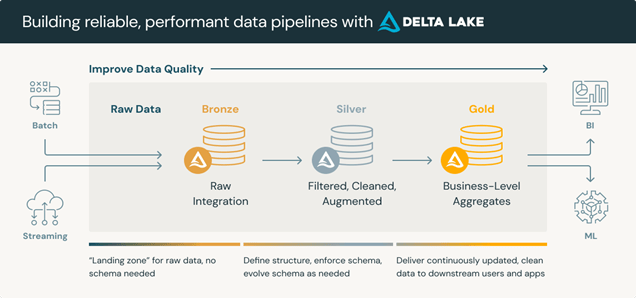
Most companies follow a medallion model:

  • Bronze: Raw data (batch + streaming).
  • Silver: Cleaned and enriched.
  • Gold: Aggregated, business-ready.

Delta ensures ACID guarantees at each stage, simplifying pipelines and reducing rework.


Delta Lake vs. Others

Alternatives like Apache Iceberg and Apache Hudi also bring ACID to lakes. But Delta Lake is widely adopted due to Spark integration, Databricks support, and ecosystem maturity—making it a leading choice for lakehouse architectures.


Conclusion

Delta Lake solves the reliability gap in traditional data lakes by making them transactional, consistent, and production ready. With schema enforcement, time travel, and unified batch/streaming, it enables teams to confidently build scalable pipelines and trust their data.

For organizations struggling with messy or unreliable lakes, adopting Delta Lake is a step toward a robust data lakehouse future.


Conclusion

Ready to Modernize Your Data Architecture? click here.

Contact OnPoint Insights today and learn how we can help you migrate from traditional data lakes to a robust data lakehouse architecture that combines scalability, governance, and performance. Our experts ensure a smooth transition so your teams can trust, query, and analyze data with confidence.

For more insights, explore the OnPoint Insights Blog where we share practical guides, migration tips, and expert viewpoints.

Explore OnPoint Insights | Read More Blogs


References

  1. Delta Lake Documentation –  Reference
  2. Databricks Blog: What is Delta Lake? – Reference


Contact Us

Collaborate with us

We're here to answer your questions and help you find the right solution.

Client-oriented
Results-driven
Problem-solving
Transparent

"*" indicates required fields

This field is for validation purposes and should be left unchanged.