
Real-Time vs. Batch Processing for Production Data: Choosing the Right Approach
Table of Contents
Introduction
In modern industrial operations, machines, sensors, and HMI (Human-Machine Interface) systems generate massive volumes of data continuously. Efficiently processing and analyzing this data is critical for operational efficiency, predictive maintenance, and informed decision-making.
When designing data pipelines, engineers face a choice between real-time (streaming) processing and batch processing. Each approach has its advantages, challenges, and ideal use cases. This blog explores both approaches and guides you on when to use each.
Batch Processing
Real-Time (Streaming) Processing
Hybrid Approach
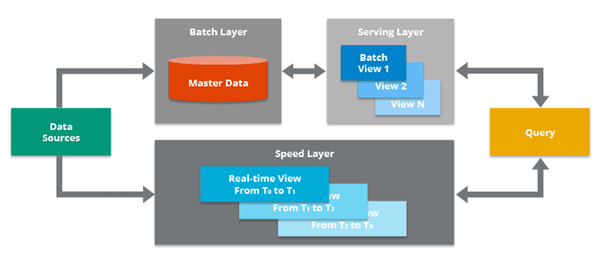
- Many organizations use a hybrid approach (sometimes called Lambda Architecture), combining batch and streaming layers:
- Batch layer: Processes historical and aggregated data.
- Streaming layer: Provides low-latency, real-time insights.
This approach ensures timely insights without sacrificing efficiency, providing both historical trends and immediate alerts.
Conclusion
Both batch and real-time processing play important roles in production data pipelines. Batch processing is ideal for efficiency, historical analysis, and reporting, while real-time processing enables immediate alerts, monitoring, and operational decision-making. By understanding your operational needs and applying the right approach, or combining both, you can ensure accurate, timely, and actionable insights from production data.
Ready to Optimize Your Production Data Pipelines? click here.
Contact OnPoint Insights today to discover how we can help you design and implement scalable, efficient, and intelligent data pipelines for your production environment. Whether you’re aiming for real-time monitoring, predictive maintenance, or large-scale batch analytics, our experts ensure your data works seamlessly to drive operational excellence.
For more insights, explore the OnPoint Insights Blog, where we share practical strategies, architecture comparisons, and proven methods for building modern, high-performing data systems.
References
- Yalantis, Real-Time Big Data Processing
- GeeksforGeeks, Lambda Architecture
- Estuary, Data Streaming Architecture

Collaborate with us
We're here to answer your questions and help you find the right solution.


"*" indicates required fields